What Does AI Change About Being Human?
- Mohsen Rafiei
- 18 minutes ago
- 2 min read


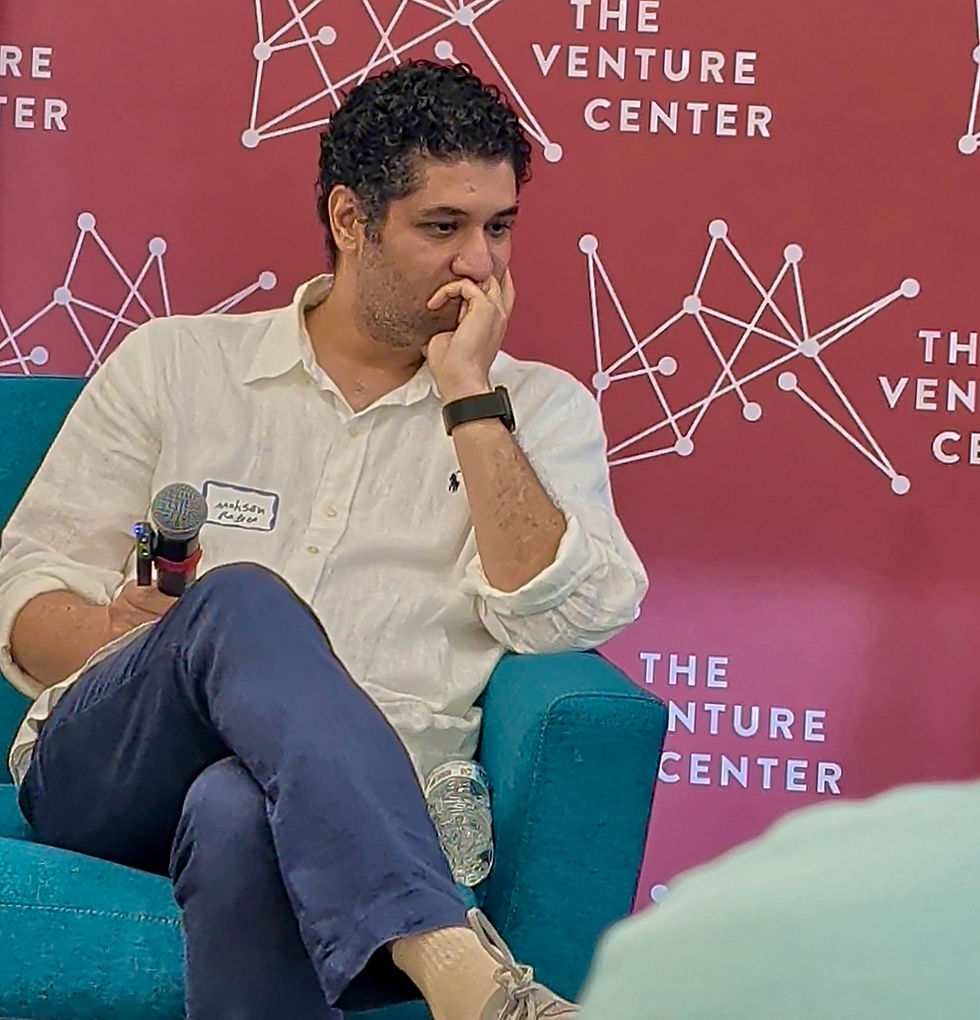
Everyone seems to have an opinion about AI these days. But having an opinion about AI is very different from understanding what happens when people actually start using it. On August 27, I had the opportunity to join The Venture Center and UA Little Rock for a panel discussion about living and working in the age of artificial intelligence.
What I appreciated about the conversation was that we did not spend much time asking whether AI is good or bad. Instead, we talked about what AI is actually changing in our everyday lives, including how we work, learn, create, communicate, and make decisions.
When AI helps us write something, solve a problem, find information, or make a decision, it is not simply doing a task for us. It can also change how we approach that task. We may pay attention to different things, rely on our memory differently, evaluate information differently, or stop exploring an idea because AI has already given us an answer. The same is true for creativity, AI can help us generate ideas and explore possibilities much faster, but it also raises interesting questions about how our own ideas develop when a machine is constantly suggesting what comes next.
These are not necessarily arguments against using AI. In many cases, AI can genuinely extend what people are able to do. The more interesting question is how we design and use these systems so that they work with human cognition rather than against it.
That question came up in different ways throughout our discussion, whether we were talking about education, work, creativity, or the future of organizations. For me, one of the biggest takeaways was that understanding AI requires us to understand more than the technology itself. We need to understand the people using it, including their attention, memory, judgment, motivation, trust, and decision-making.
AI may be changing very quickly. But the psychological questions surrounding our relationship with it are only becoming more important. And I think those are some of the questions we should be spending more time talking about.


Comments